Blue dogs of Chernobyl and the real reason for their color
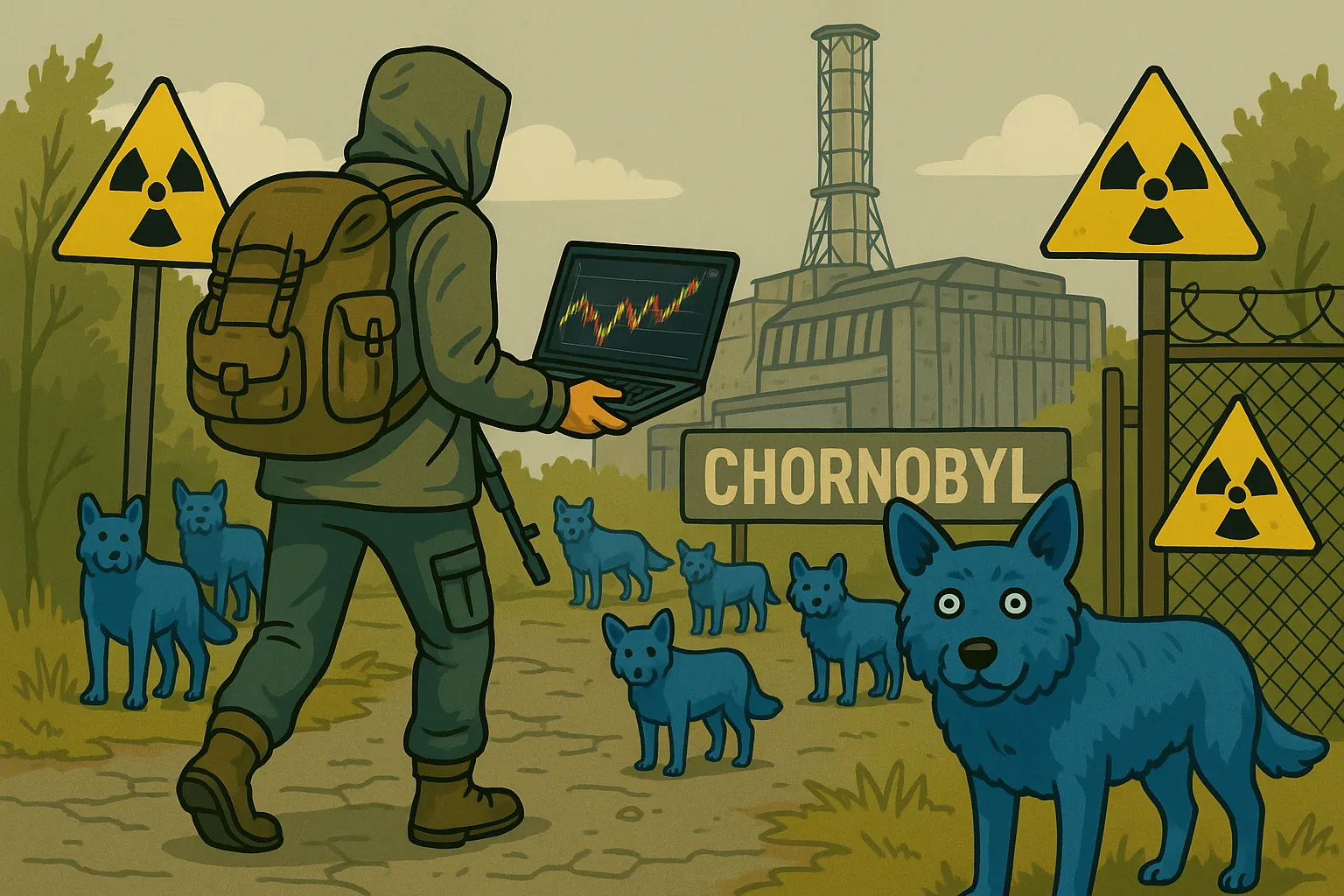
In October, a new batch of viral photos from the Chernobyl Exclusion Zone showed something that looked straight out of a sci fi movie. Several stray dogs wandering among the abandoned buildings appeared with bright blue fur, and social networks instantly filled with theories about radiation, mutations and a new stage of evolution.
Researchers and volunteers who actually work with these animals quickly cooled the hype. Biologist Timothy Mousseau, a scientific adviser to the Dogs of Chernobyl project, explained that the most likely explanation is much more mundane. The dogs probably rolled in chemical dye leaking from a damaged portable toilet or other construction chemicals near an industrial site, and the pigment simply stuck to their coat. No superpowers, no glowing mutants, just classic dog behaviour and poor sanitation.
Behind the memes there is a sadder story. Around seven hundred stray dogs are thought to live in and around Chernobyl, descendants of pets that were left behind in 1986. They survive in a harsh environment with limited food, disease and contamination risks, while volunteers vaccinate, feed and sometimes study them. Some studies do find signs that the population is slowly adapting to radiation and pollutants, but the blue colour itself turned out to be nothing more than a dirty prank of chemistry.
And here the story suddenly becomes painfully familiar for traders. On the charts we also like to blame every strange move on mysterious forces, dark algorithms or some invisible radiation from the central banks. In reality the equity curve often turns blue for a much simpler reason. Someone rolled in too much leverage, ignored risk management and then wonders why the portfolio looks toxic. Just like the Chernobyl dogs are not victims of a new mutant gene, many accounts are not victims of an evil market spirit, they are just the result of very human decisions about position size and stop losses.